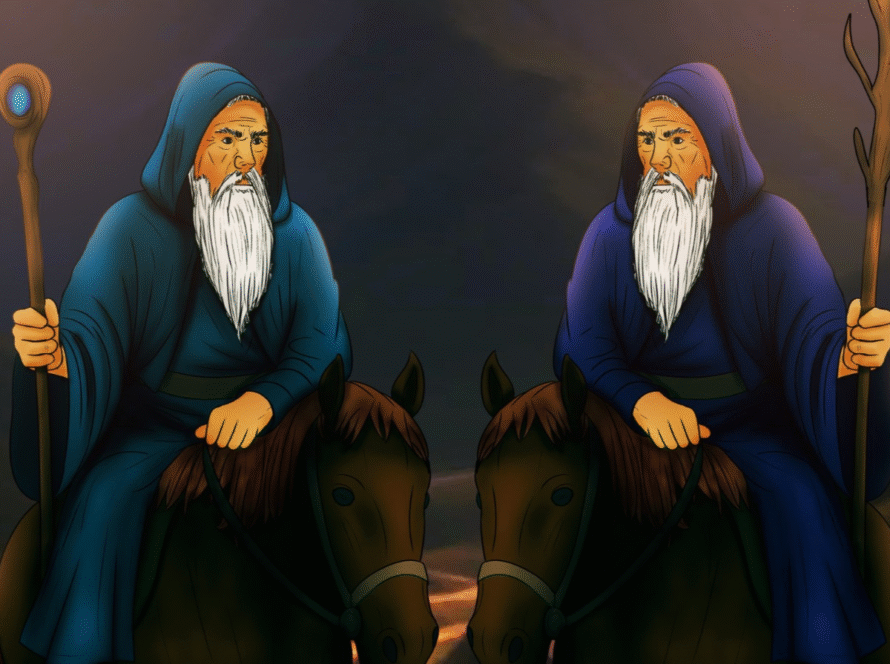
As an update to this much anticipated movie, director Andy Serkis has confirmed that the movie will use AI de-aging for some of the characters. This might reflect the fact that a number of actors in the movie, such as Ian McKellen, Elijah Wood, and Lee Pace are now markedly older than when they first performed their roles.
AI of course has a long history in The Lord of the Rings films, in spite of their being noted for their very impressive practical special effects. Peter Jackson worked with software engineers to create MASSIVE, an early AI-powered software which created the vast Orc armies at famous battles allowing each Orc to behave individually. This recreated the realism of the “cast of thousands” epics of the 1950s and 1960s without having to hire thousands of extras.
Even so, using AI for de-aging and other purposes is very controversial in many quarters. Ever since the shocking appearance of a digitally resurrected Grand Moff Tarkin in Rogue One: A Star Wars Story (2016), there has been an ethical debate about the use of such technology. Less controversially, Mark Hamill was de-aged to appear as a chronologically appropriate Luke Skywalker in several episodes of the streaming series The Mandalorian. But should actors really be digitally de-aged, or should younger lookalikes be hired? Actors would obviously prefer the latter in many instances, but fans seem to appreciate the nostalgia and visual continuity of the former. Personally, I am on the fence about this one.